Kensington Expeditions Expert Feature

Restoring the Wild

A Conversation with Grant Fowlds

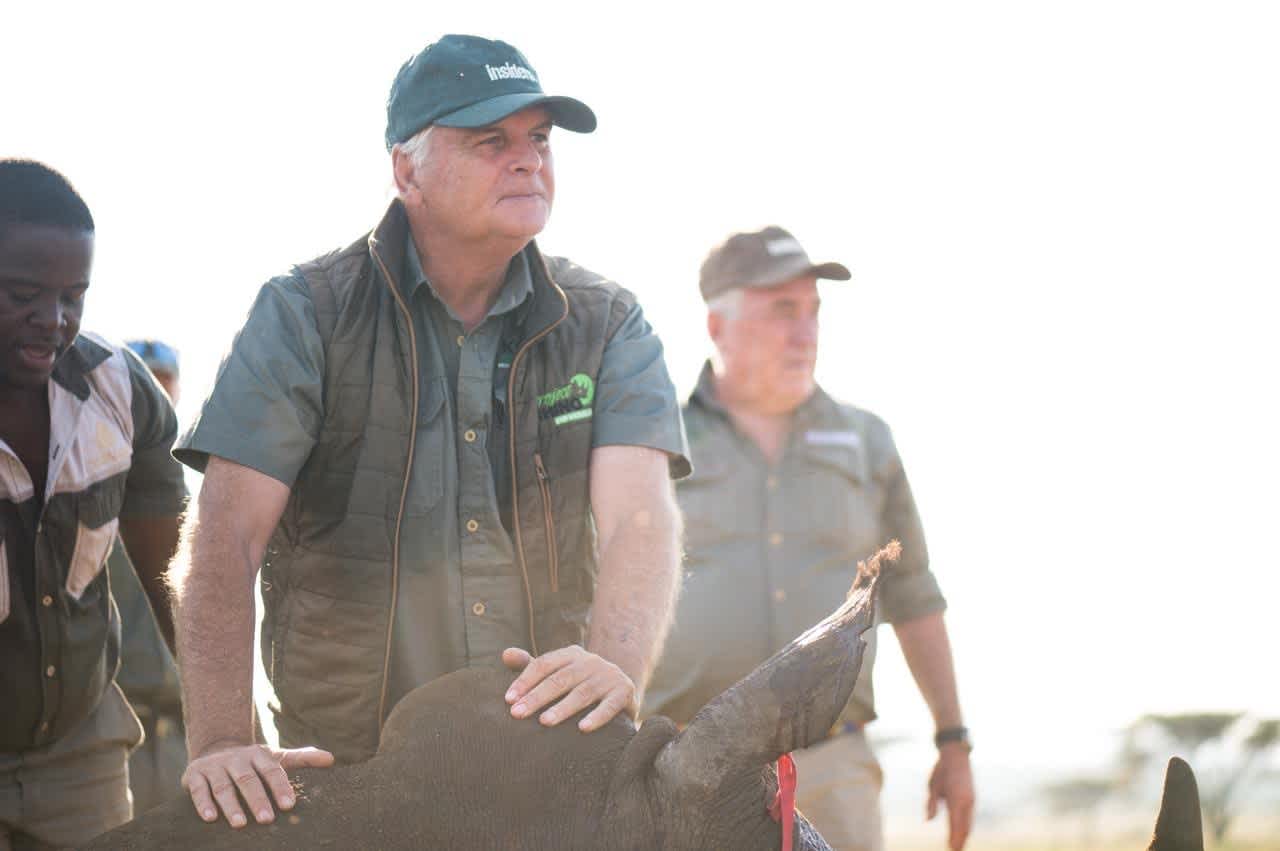
For Grant Fowlds, conservation is not about placing a fence around nature and calling the work complete. It  is about rebuilding living landscapes in which wildlife, communities, and responsible enterprise can thrive  together.

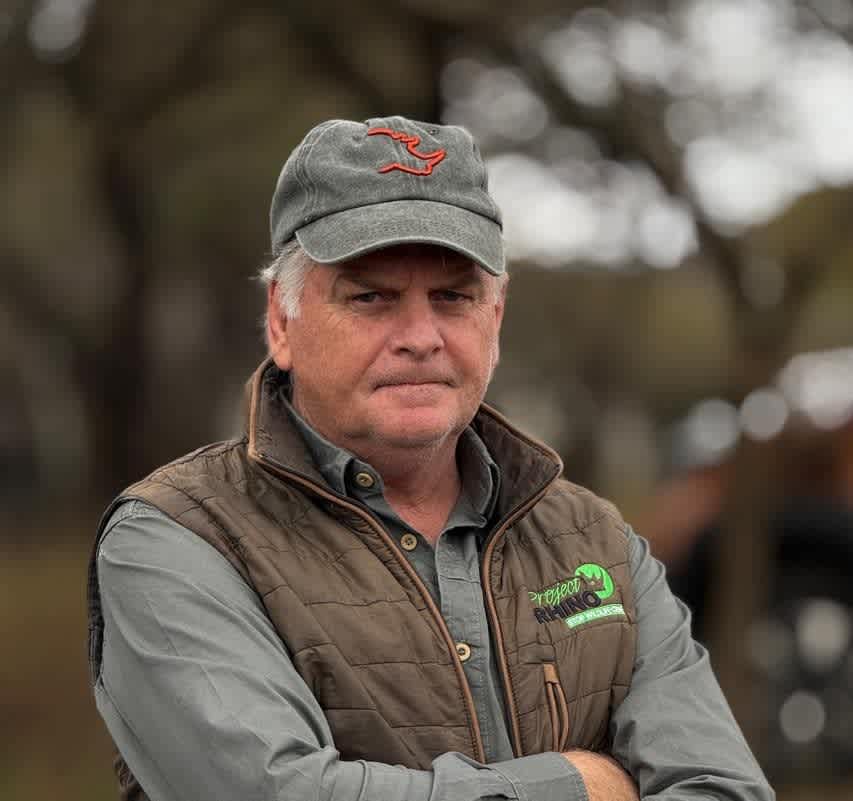
A South African conservationist, author, educator and co-founder of Amakhala Game Reserve, Grant has  spent decades at the front line of rewilding and rhino protection. In conversation with Kensington  Expeditions, he reflects on becoming what he calls a poacher turned gamekeeper, why language and  education are central to lasting conservation, the responsibilities of tourism, and the stubborn hope that  keeps him moving forward. 

“For me, there is only one direction: forward.”

— Grant Fowlds 

Signs of Progress

LOOKING AHEAD

Signs of Progress

When Grant joined our conversation from South Africa, his attention was fixed on rewilding and rhino  conservation. What excites him most is the sense that some long-running interventions may finally be paying  off. 

The picture remains uneven. He sees encouraging signals in KwaZulu-Natal, while Kruger National Park and  other areas continue to face severe pressure. Slowly, however, he believes the message is reaching more  people: individuals, businesses and communities can make a meaningful difference to endangered species  and the landscapes that sustain them. 

No single organization can deliver that recovery alone. Grant points to the value of collective action,  particularly conservation work carried out at scale. When degraded land is restored, secure habitat is  expanded, and wildlife is returned to places where it had disappeared, hope becomes something tangible  rather than abstract. 

EARLY INFLUENCES

From Hunter to Gamekeeper

Grant grew up surrounded by nature and assumed it was inexhaustible. As a child, he hunted birds, rabbits and springhares, believing wildlife would simply reproduce. By his late teens, the cruelty of it had begun to  trouble him, and he stopped. In his own words, he became a poacher turned gamekeeper. 

His formal background was in agriculture, which gave him a practical understanding of soil, plants, trees, and natural resources. Without fully realizing where it would lead, he began rehabilitating land and creating a  reserve. Restoring habitat led to reintroducing wildlife, and a small park gradually became something far  more ambitious.

Tourism was part of that education. Grant had to learn how to fill beds, understand what visitors hoped to  experience, and build a model capable of paying for conservation. At first, the idea of bringing back giraffes,  elephants, rhinos, pangolins, lions, and cheetahs seemed impossible. Over time, careful restoration and  reintroduction made much of it possible. 

More Than Wildlife

CONSERVATION REDEFINED

More Than Wildlife

Grant's understanding of conservation has broadened with every project. It cannot be one-dimensional.  Wildlife, people, tourism, economics, and the particular realities of a place all have to be considered  together. 

Historically, protected areas often neglected neighboring communities. Parks were fenced, people were  excluded, and those living outside the boundaries were sometimes treated as the threat, even when they  worked inside as rangers, guides and lodge staff. The result was a divide between the people asked to  protect wildlife and the people expected to live alongside it. 

Through Project Rhino and other conservation initiatives, Grant has encountered the same pattern across  species and landscapes. His role has increasingly been to bridge travel, tourism and community  conservation, helping people recognize that the wildlife they may fear or compete with can also become one  of their greatest long-term assets.

Meeting People Where They Are

LANGUAGE AND TRUST

Meeting People Where They Are

Language has been one of Grant's most valuable tools. He grew up speaking Xhosa before English, later  learning other Nguni languages and Afrikaans. Today, he estimates that he speaks nine or ten languages to  varying degrees. 

The greater value is not fluency for its own sake, but trust. In conversations about human-wildlife conflict,  land or the risks of conservation, speaking someone's language changes the relationship. It allows Grant to  meet people where they are, listen first and explain difficult ideas without expecting communities to cross  every cultural distance themselves.

RESPONSIBLE TOURISM

Protect What Makes a Place Special

Responsible tourism begins by protecting the qualities that draw travelers to a place. Grant is deeply  concerned by over-tourism and the way that natural encounters can be diminished when visitor numbers  become the only measure of success. 

He recalls seeing 25 safari vehicles crowded around a lion kill, some unable even to move. Similar pressure  can be seen when boats surround a single animal or when fragile destinations are overwhelmed by poorly  regulated access. For Grant, this is not ethical wildlife viewing. 

The answer is deliberate restraint: clear limits on vehicles, carefully managed permits and a willingness to  resist short-term revenue when it threatens the long-term character of a destination. Travelers have a role too. Choosing somewhere quieter and responsibly managed can protect the environment while creating a  more meaningful experience. 

“Good tourism should preserve the character of a destination rather than consume it.”

— Grant Fowlds

Conservation Starts with People

COMMUNITY OWNERSHIP

Conservation Starts with People

For communities to have genuine ownership of conservation, Grant believes education and opportunity  must come first. He points to Gorongosa in Mozambique, where recovery after civil war was approached not  only as a wildlife project, but as a people project. Investment in education, health ,and community  development created the foundation for wildlife recovery, jobs, and long-term support. 

Grant says the awareness programs he has worked with have reached close to a million children over the  past decade, particularly around rhino conservation. The results can be profound. Young people have  reported poaching activity, chosen careers as rangers or conservationists, and travelled to Southeast Asia to  understand the consumer markets connected to wildlife crime. 

These experiences turn conservation from an outside instruction into a source of knowledge, pride and  possibility. Even the strongest ecological plan will struggle if local people do not see themselves within its  future. 

REWILDING REALITY

Only One Direction: Forward

Rewilding is rarely a smooth return to some imagined wilderness. At Loziba, a conservation initiative in  KwaZulu-Natal co-founded by Grant, the ambition is to restore a large, connected wildlife landscape while  creating livelihoods for surrounding communities. 

The work has tested him through difficult negotiations over grazing, boundaries, fences, and the safety of  both people and elephants. The consequences of human-wildlife conflict have also been deeply personal.  An elephant killed a friend of Grant's and seriously injured a villager, intensifying an already difficult debate  about how people and wildlife can share a landscape. 

Yet when Grant returns and sees more than a hundred people employed, restored land, and the potential of  the place, retreat does not feel like an answer. The challenge is to keep listening, adapting, and building a  conservation economy strong enough to endure. 

“For me, there is only one direction: forward.”

— Grant Fowlds

A New Line of Defense

TECHNOLOGY IN THE FIELD

A New Line of Defense

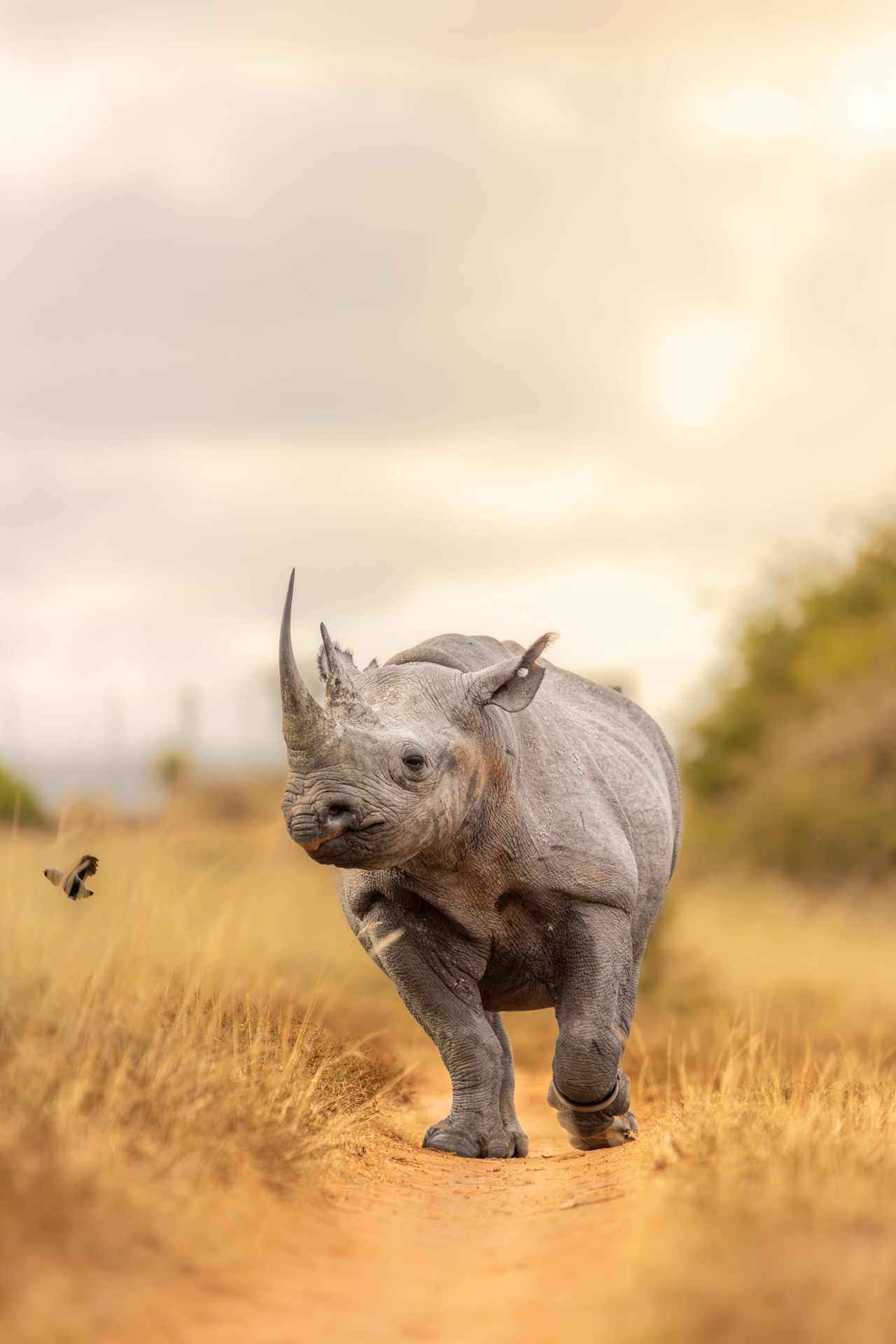
Technology is changing what is possible in conservation. Drones are improving wildlife counts and  surveillance, while locally developed rhino-monitoring devices work almost like smartwatches. By learning  an individual animal's normal patterns of movement, rest and sleep, they can trigger green, amber, or red  alerts when something changes. 

An unusual pattern can prompt a drone flight, a foot patrol or another response at any hour. Similar  monitoring is advancing for pangolins, while camera systems, number-plate recognition, shared intelligence  networks, and DNA analysis are strengthening the wider effort against wildlife crime. 

But technology is only as effective as the institutions behind it. Arrest warrants, case files, and legal  procedures can fail, allowing offenders to avoid prosecution. Tools in the field must therefore be matched by  capable investigators, functioning courts and the political will to see cases through. 

RHINO POACHING

Following the Money

The greatest misunderstanding about rhino poaching, Grant argues, is that it is only about the horn or its  supposed medicinal value. At its core, it is about money. 

Rhino horn operates within a much larger criminal economy. It can be traded as a high-value commodity and  used to move or store illicit wealth. Even if belief in its medicinal properties disappeared, Grant believes a  market would remain, just as illegal markets persist for drugs and weapons. 

Demand-reduction campaigns matter, but they cannot solve the crisis alone. Conservationists must protect  and grow viable populations, stay ahead of criminal networks, and invest in security, intelligence, and  enforcement. Just as importantly, they must strengthen the local economies that make living wildlife more  valuable than its illegal trade.

REASONS FOR HOPE

Recovery Is Possible

Grant remains hopeful because conservation has already shown that decline can be reversed. The latest  published IUCN estimates record 6,788 black rhinos in Africa, a hard-won recovery from fewer than 2,500 in  the mid-1990s. White rhinos number 15,752, although recent losses show how quickly progress can be  undone. 

Range-expansion programs and carefully managed reintroductions continue to create new populations.  Zoos and sanctuaries also have a role in education and in maintaining a measure of protection, even if  Grant's preference will always be for animals to live across vast wild landscapes. 

The long-term goal is larger than preventing extinction. It is to return rhinos to parts of Africa where they once  lived and create landscapes that people feel confident visiting and investing in. Philanthropy remains vital,  but success ultimately means tourism and responsible enterprise generating enough value for conservation  areas and neighboring communities to sustain themselves.

Become Part of the Recovery

For those drawn to travel with purpose, there may be opportunities to engage more deeply with the work of  Grant Fowlds and the conservation initiatives he supports. 

Select clients may be able to meet those working on the frontline, visit carefully managed rewilding  landscapes or explore bespoke ways to support rhino protection and community-led conservation, subject  to timing, suitability and availability. 

Contact us for a private consultation.
Become Part of the Recovery
Start Planning